Overview
NGS has adopted the Codes of Conduct and Referee Abuse Prevention Policies issued by the Massachusetts Youth Soccer Association (MYSA). These policies reflect an effort to decrease the abuse of soccer officials. All participants, including parents, coaches, players, and officials are expected to abide by these policies when engaged in NGS activities.
Consequences for violating the Referee Abuse Prevention may be imposed by the lead official, league, club, and/or MYSA depending on the severity of the offence. The NGS Sportsmanship Committee will take action to ensure a safe and positive environment for our extended soccer community, including referees, players, coaches, spectators, opponents, and others.
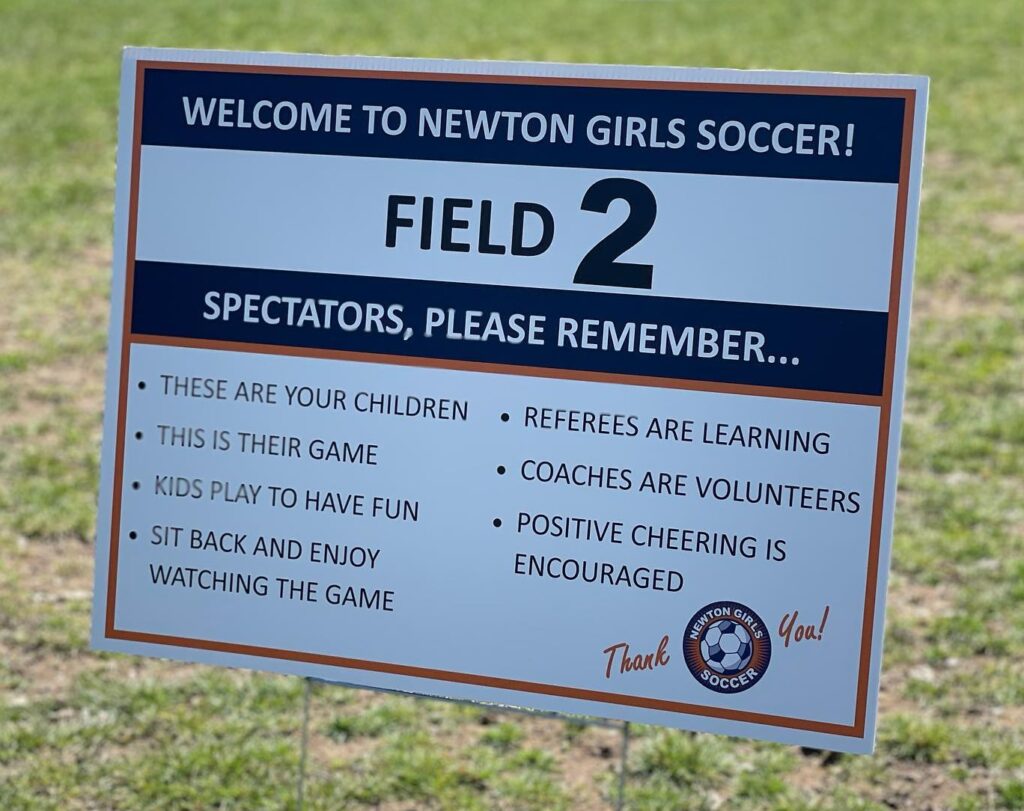
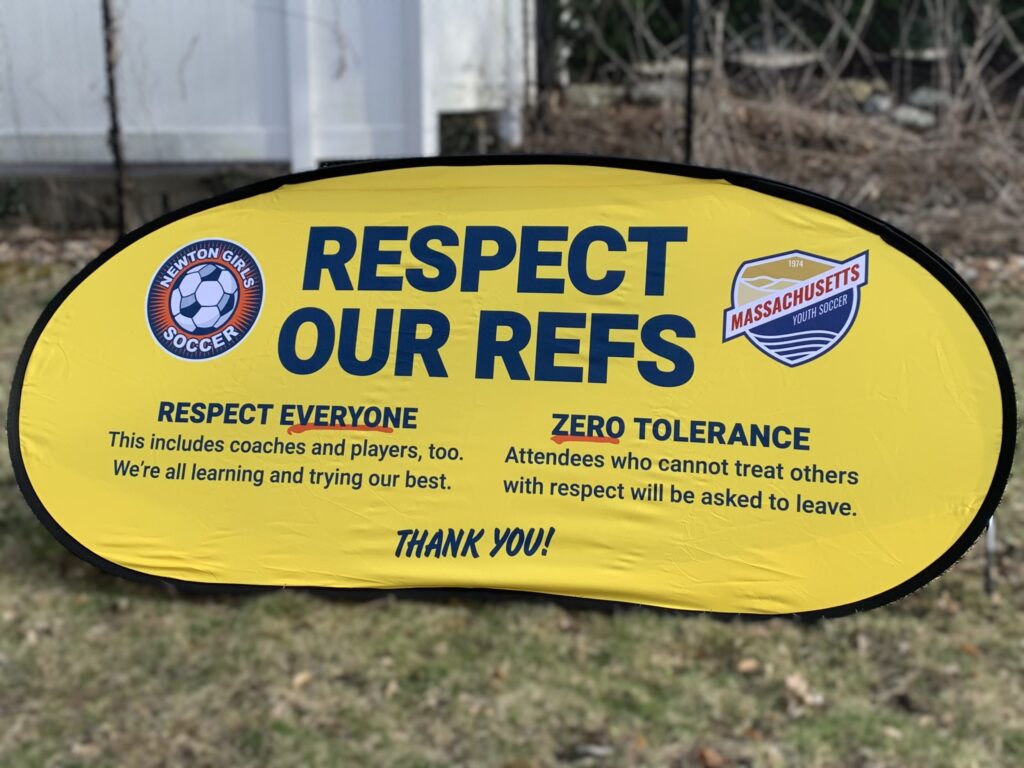

Standards of Good Sportsmanship
All participants in the NGS program – coaches, players, spectators, and officials – shall follow standards of good sportsmanship. Participants are expected to:
- Adhere to the MYSA Codes of Conduct
- Understand the different roles of participants: Officials call the game. Coaches coach the game. Players play the game. Spectators cheer and provide support.
- Respect the decisions of officials and coaches without criticism.
- Refrain from using expletives or make disparaging comments.
- Win without boasting; lose without excuses. At the conclusion of the game, congratulate and shake hands with officials, coaches, and opponents.
- Encourage fair play by refusing to support or participate in conduct that violates the rules or spirit of the game.

NGS Sportsmanship Committee Complaint Review Process
Improper behavior at an event may result in a participant being asked to leave the field or event by a referee or other official. The NGS Sportsmanship Committee (NGS-SC) will be notified about any violations of the Codes of Conduct or Referee Abuse Prevention Policy. After receiving such a report, the NGS-SC will initiate the following mandatory process to determine any further disciplinary action:
- Within a period of one week, the NGS-SC will investigate the complaint through interviews with all involved individuals, and witnesses. This time period allows the NGS-SC to determine fair and appropriate action without distraction.
- During the week-long period of investigation, the individual or individuals at the center of the complaint will not be permitted to attend any NGS related activity.
- During the investigation, the individual(s) at the center of the complaint should bring questions and concerns to the NGS-SC only. Attempts to contact referees, coaches, or other spectators during this process are not appropriate and will negatively impact the disciplinary recommendation.
- If the NGS-SC determines that disciplinary action is appropriate, the recommendation, based on US Soccer’s Policy 531-9 Penalty Matrix, will be communicated to all involved parties. Disciplinary actions are most likely to occur in the form of game suspensions.

US Soccer’s Policy 531-9 Penalty Matrix
The Referee Abuse Prevention Penalty Matrix defines consequences associated with physical and non-physical offenses against Referees.